
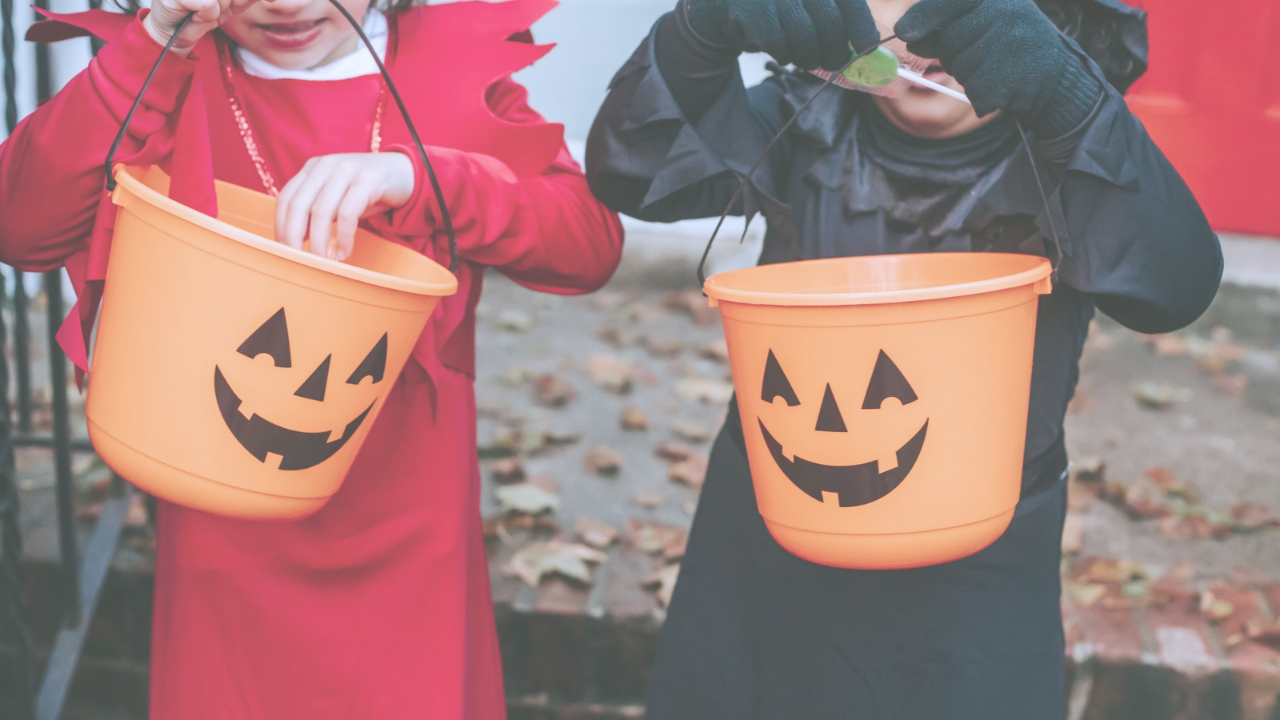
Halloween can be exciting: costumes, decorations, candy, parties, school celebrations, and trick-or-treating all create opportunities for fun and connection.
But not every child experiences Halloween in the same way.
For some children, the sights, sounds, textures, crowds, unexpected changes, and pressure to participate can make the holiday feel like a lot to process. A costume may feel uncomfortable. Food allergies or sensitivities may be of concern. A loud Halloween party may be overwhelming. A child who happily planned to go trick-or-treating may decide they want to go home after just a few houses.
A neurodiversity-friendly Halloween doesn’t mean taking the excitement out of the holiday. It means creating room for different ways of experiencing it.
The goal isn’t to make every child celebrate Halloween the same way. The goal is to give children choices, predictability, and the freedom to participate in ways that work for them.
What Does a Neurodiversity-Friendly Halloween Look Like?
A neurodiversity-friendly Halloween recognizes that children can have different preferences, communication styles, sensory experiences, and ways of participating.
For one child, Halloween might mean an elaborate costume and a night spent going door to door.
For another, it might mean wearing a favorite shirt with a Halloween accessory, visiting a few familiar homes, and coming home to watch a favorite movie.
Both are valid ways to celebrate and honor the whole child.
Here are 10 ways parents and caregivers can make Halloween more flexible and comfortable.
-
Practice the Plan Ahead of Time
Uncertainty can make a new experience feel more complicated.
Before Halloween, talk through what the day might look like:
- What will happen at school?
- When will the child put on their costume or accessories?
- Where will you go trick-or-treating?
- Who will be there?
- How long might you stay out?
- What happens when you’re ready to go home?
For younger children, a simple visual schedule can make the day and evening easier to understand.
You can also take a walk around the neighborhood beforehand so your child knows what to expect.
-
Let Your Child Try the Costume Before Halloween
A costume that looks fun in a store or on a screen may feel very different once it is actually worn.
Give your child an opportunity to try it on before Halloween.
Pay attention to their preferences around:
- Tags and seams
- Tight or restrictive clothing
- Masks
- Face paint
- Hats or wigs
- Gloves
- Shoes
- Certain fabrics or textures
If the costume doesn’t work, that’s okay.
A child doesn’t have to wear a traditional costume to participate in Halloween.
A Halloween-themed shirt, pajamas, accessory, makeup, or favorite outfit can be just as festive.
-
Don’t Make the Costume the Main Event
Halloween can sometimes come with a lot of expectations: You need to wear a costume. You need to go trick-or-treating. You need to go to the party.
You can replace expectations with choices.
You might say:
“Would you like to wear your costume or your Halloween shirt?”
“Would you like to trick-or-treat or hand out candy?”
“Would you like to stay for the whole party or leave when you’re ready?”
Giving children appropriate choices allows them to participate without feeling like there is only one “right” way to celebrate.
-
Prepare for Sensory Experiences
Halloween can be a very stimulating holiday.
There may be:
- Loud music
- Doorbells ringing
- Flashing decorations
- Bright lights
- Crowds
- Unfamiliar smells
- Costumes and masks
- People approaching the house
- Lots of activity happening at once
Think ahead about what might make the experience more comfortable.
Depending on your child’s preferences, this might mean bringing headphones, choosing a quieter neighborhood, taking breaks, or having a familiar item nearby.
-
Have an Exit Plan
One of the simplest ways to make Halloween feel more manageable is to have a plan for leaving.
Before heading out, establish a simple phrase your child can use when they are ready to go.
You can also let them know:
“If you want to leave, just tell me. We can go home.”
Knowing there is a way out can make trying something new or challenging feel less intimidating.
And if your child decides they are finished earlier than expected, you don’t have to treat that as a failure.
The plan can change. Celebrate the opportunities, the lessons learned, the wins, the courage, and the growth.
-
Take Breaks
There doesn’t have to be a race to see how many houses your child can visit.
Build breaks into the evening.
You might return home for a few minutes, sit somewhere quiet, have a snack, or simply pause before deciding what comes next.
A break doesn’t mean Halloween is over.
Sometimes a short pause is all a child needs before deciding whether they want to continue.
-
Explain the Unexpected
Halloween includes plenty of surprises.
Someone may answer the door wearing a costume. A neighbor may decorate their house differently than usual. Someone might make a loud noise. A person your child knows may look completely different in a costume.
Whenever possible, prepare your child for some of these possibilities.
You don’t have to predict everything. The goal is simply to communicate that unexpected things may happen—and they can always ask questions or come to you.
-
Don’t Force Social Interactions
Halloween can involve a lot of social expectations.
Children may be expected to:
- Say “trick or treat”
- Say “thank you”
- Talk to neighbors
- Take pictures
- Hug relatives
- Participate in group activities
Encourage polite communication while still respecting your child’s boundaries.
A child can wave instead of speaking.
They can practice saying “trick or treat” ahead of time.
They can bring a small sign that says trick or treat.
They can say “no thank you” or shake their head no, when they don’t want something.
And they don’t have to hug someone simply because it’s a holiday.
Halloween can be an opportunity to practice communication, creativity, agency, choice, and self-advocacy.
-
Give Your Child Permission to Celebrate Differently
Perhaps the most important thing parents can do is let go of the idea that Halloween has to look a certain way.
Maybe your child:
- Doesn’t want to wear a costume.
- Doesn’t want to trick-or-treat.
- Only wants to visit a few houses.
- Prefers handing out candy.
- Wants to celebrate at home.
- Loves Halloween decorations but doesn’t enjoy parties.
- Wants to leave early.
That doesn’t mean they’re missing out.
It means they’re finding their own way to participate.
-
Focus on Connection, Not Perfection
Halloween doesn’t have to go exactly according to plan to be meaningful.
If the costume comes off after ten minutes, the trick-or-treating route gets shortened, or your child decides they’d rather spend the evening at home, you can still make the night special.
Ask yourself:
“What would make this experience enjoyable for my child?”
rather than:
“What is everyone else doing?”
Sometimes the best Halloween memory isn’t the biggest celebration. It is the one where a child feels understood, included, and comfortable being themselves.
Making Room for Different Ways of Experiencing the World
Neurodiversity reminds us that there isn’t one single way for people to experience, communicate, learn, or engage with the world.
Halloween is a wonderful opportunity to put that idea into practice.
When families make room for different needs and preferences without judgement and provide children with choices, preparation, flexibility, and encouragement, the holiday can become less about meeting expectations and more about creating an experience that feels meaningful to the individual child.
Perception, paradigm shifts, and patience can foster meaningful experiences for the whole family.
There is no single right way to celebrate Halloween.
Sometimes the most inclusive celebration is simply one that gives every child permission to participate in their own way.
Looking for Support With Your Child’s Learning and Development?
Zaretsky Wellness offers educational consulting focused on understanding and supporting individual learning styles, strengths, interests, and needs. Learn more about how educational consulting can support your family’s goals.
Zaretsky Wellness provides coaching and consulting — not therapy, counseling, or health care. Psychotherapy is provided separately by Lisa Zaretsky LCSW PC. In a crisis, call or text 988.