
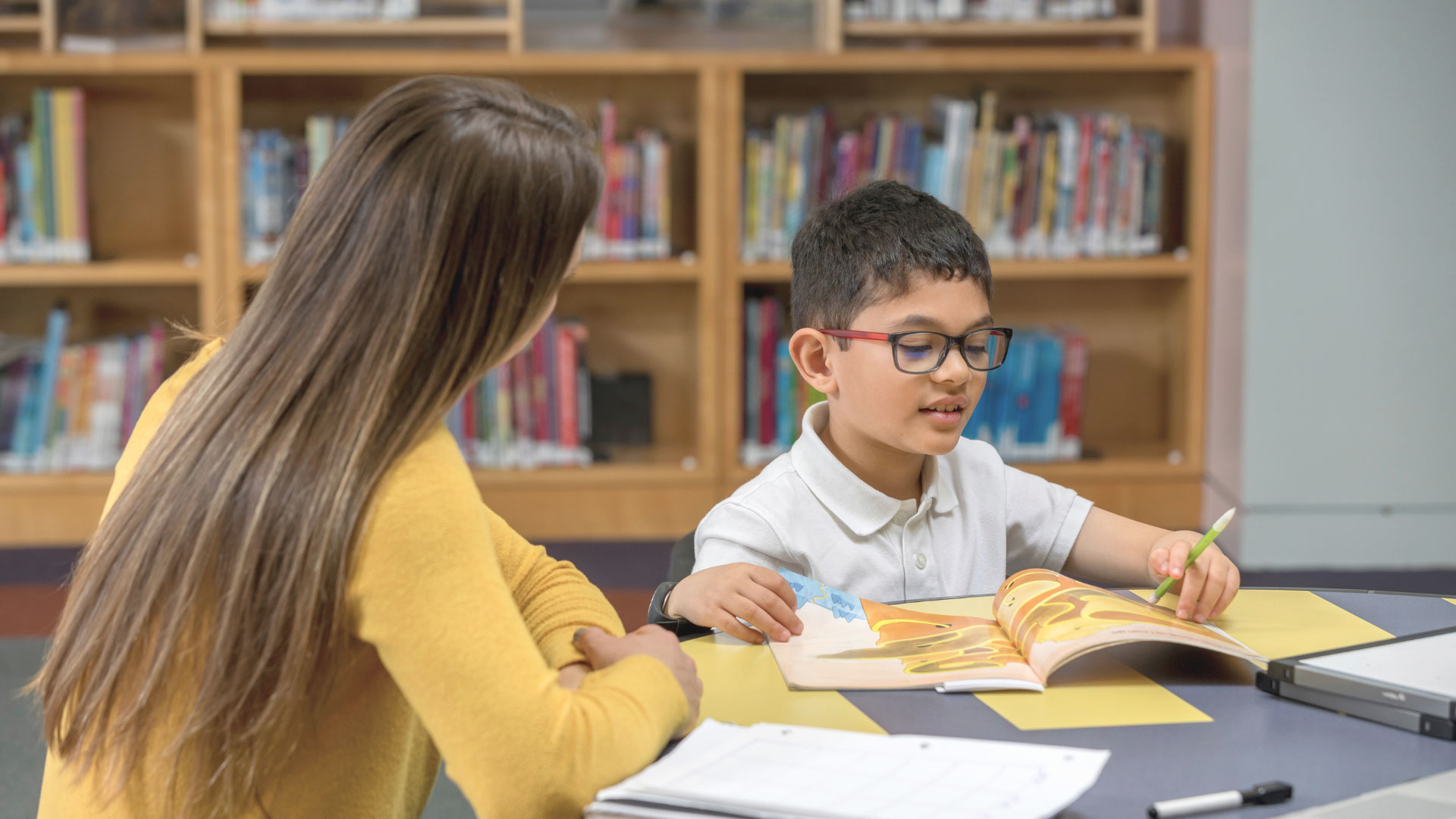
It is not always easy to tell when a child is struggling with anxiety. What may seem like shyness or mood swings can actually be something deeper. As a parent, these early signs can be hard to spot or even confusing. Early support can make a meaningful difference. When children begin working with a therapist at the first signs of anxiety, they can learn to identify and understand their feelings before they intensify, and build emotional regulation skills. At Zaretsky Wellness, we provide therapy for children in New York in person and virtually.
Recognizing Anxiety in Children
Children often struggle to put their feelings into words. Anxiety tends to show up through behavior, which is why you may notice certain patterns or symptoms before they can explain what’s happening.
- Trouble sleeping
- Frequent mood swings
- Frequent/ recurring fear of something
- Avoiding school and social situations
Parents may not recognize these symptoms right away, and anxiety that goes unaddressed can begin to affect a child’s well‑being and daily functioning. Early awareness helps support timely intervention.
Why Early Support is Crucial
Early intervention helps children make sense of their experiences before anxiety becomes more difficult to navigate. When addressed at the onset, therapy supports children in learning to manage their feelings in healthy, age‑appropriate ways. Many child‑focused approaches are gentle and engaging. For example, play‑based methods allow children to express emotions through activities that feel natural and familiar to them.
Therapists may also use mindfulness and cognitive‑behavioral strategies to help children understand the connection between their mind, body, thoughts, feelings, and behaviors. Over time, these approaches support the development of more effective healthy coping skills.
Building Confidence and Coping Skills
One key benefit of early intervention is supporting children as they build confidence. Anxiety can make everyday situations feel uncertain or overwhelming, and with the right support, children begin to feel more capable in how they move through their day. Early therapeutic work can help children:
- Understand their feelings
- Learn strategies to navigate anxious moments
- Strengthen confidence in social situations
- Develop problem‑solving skills
Over time, these skills become part of how they respond to challenges. Instead of feeling overwhelmed, children learn to approach situations with greater calm and clarity.
Reducing Long‑Term Impact
When anxiety isn’t addressed early, it can continue into the teenage years and adulthood, affecting confidence, relationships, and academic functioning. Early intervention gives children the skills they need to navigate these experiences as they grow. Instead of carrying anxiety forward, they learn ways to understand and respond to it more effectively. Early therapeutic support helps build a stronger foundation for long‑term emotional well‑being.
Key Takeaway
Anxiety in children can be concerning for parents, and early recognition makes a meaningful difference. When identified at the outset, children have space to explore their feelings, strengthen their confidence, and develop healthy coping skills.
At Zaretsky Wellness, our work with children emphasizes emotional growth and a supportive therapeutic environment. Each child is offered a safe space to express themselves, understand their experiences, and build confidence at a pace that feels right for them. Through thoughtful, individualized approaches, we help children feel supported as they develop skills that promote long‑term well‑being. Connect with us to learn more.
Frequently Asked Questions
What are common signs of anxiety in children?
Children often express anxiety through behavior rather than words. You may notice increased tension, avoidance, irritability, physical discomfort, or difficulty with transitions. These patterns can appear before a child is able to describe what they are feeling.
How does early intervention, for children with anxiety, help?
Early support gives children space to understand their experiences and develop skills that promote emotional regulation. Approaches often integrate mindfulness, mind–body awareness, and cognitive‑based strategies to help children recognize what they are feeling and respond in healthier ways.
What does therapy for children with anxiety typically involve?
Therapy uses developmentally appropriate methods such as play‑based approaches, mindfulness practices, and cognitive‑behavioral techniques. These help children express emotions, understand the connection between thoughts, feelings, and physical sensations, and learn coping strategies that support daily functioning.
How long does it take for children with anxiety to benefit from therapy?
Children progress at different paces. Some begin using new skills quickly, while others need more time to feel comfortable. The emphasis is on gradual, meaningful growth that aligns with the child’s developmental stage.
How can parents support their child, with anxiety, during the therapy process?
Parents can support their child by maintaining predictable routines, staying curious about their experiences, and reinforcing skills introduced in therapy. Collaboration between caregivers and the therapist helps create a consistent environment for the child.
Is therapy different for younger children with anxiety?
Yes. Younger children often benefit from play‑based and sensory‑informed approaches that feel natural and familiar. These methods allow them to explore emotions and experiences in ways that match their developmental needs.
When is it helpful to seek support for children with anxiety?
If a child’s anxiety begins to interfere with daily routines, school participation,relationships, or confidence, seeking guidance can be beneficial. Early recognition allows for earlier support and skill‑building.